
Table of Contents
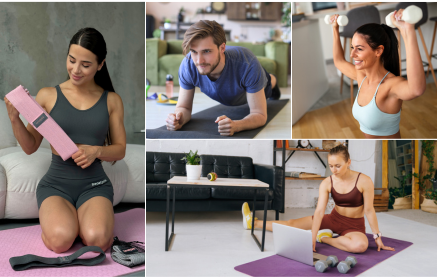
Thuisworkouts zijn de afgelopen jaren enorm populair geworden. Ze besparen je tijd, geven je meer flexibiliteit gedurende de dag en kunnen je reguliere trainingsroutine veranderen. Bovendien kun je drukke sportscholen vermijden en besparen op lidmaatschapskosten. En nee, thuis sporten betekent niet dat je moet schoonmaken, meubels verplaatsen of schilderen. Het gaat allemaal om jou—of je nu lichaamsgewicht oefeningen doet, gewichten heft of yoga beoefent.
Echter, als u het meeste uit uw thuisworkouts wilt halen en echt resultaat wilt zien, heeft u een goed doordacht trainingsplan nodig. Een goed plan houdt u op de rails, ongeacht of uw doel is om gewicht te verliezen, spiermassa op te bouwen, of uw algehele fitheid te verbeteren.Wat zijn de voordelen van thuis sporten?
Als u uw thuisworkouts systematisch aanpakt, kunt u resultaten bereiken die net zo goed zijn als, of zelfs beter dan, die van de sportschool. Voor sommige mensen is een thuisgym simpelweg beter geschikt dan een commerciële sportschool. Wat zit er achter deze voorkeur?
1. U zult meer flexibiliteit in uw tijd ervaren
In plaats van 30 minuten te reizen naar de sportschool, kunt u direct aan uw training beginnen. Dit is vooral waardevol voor mensen met drukke schema’s, zoals ouders, mensen die in ploegendienst werken, of studenten tijdens de tentamenperiode. U hoeft uw planning niet aan te passen aan de openingstijden van de sportschool; u kunt ’s ochtends, ’s avonds of zelfs ’s nachts sporten, afhankelijk van wat het beste voor u is. Houd er wel rekening mee dat uw buren het misschien niet erg prettig vinden als u om 2 uur ’s nachts met een springtouw begint.
[1–2]2. U bespaart geld op een sportschoolabonnement.
Trainen thuis elimineert de noodzaak voor een maandelijks sportschoolabonnement en transportkosten. Bovendien, als je er verslaafd aan raakt, kun je het geld dat je bespaart gebruiken om te investeren in basisapparatuur, zoals een mat, halters, of elastische weerstandsbanden.
Over tijd kunt u een thuisgym opbouwen waar elke fitnessliefhebber naar zou verlangen. [1–2]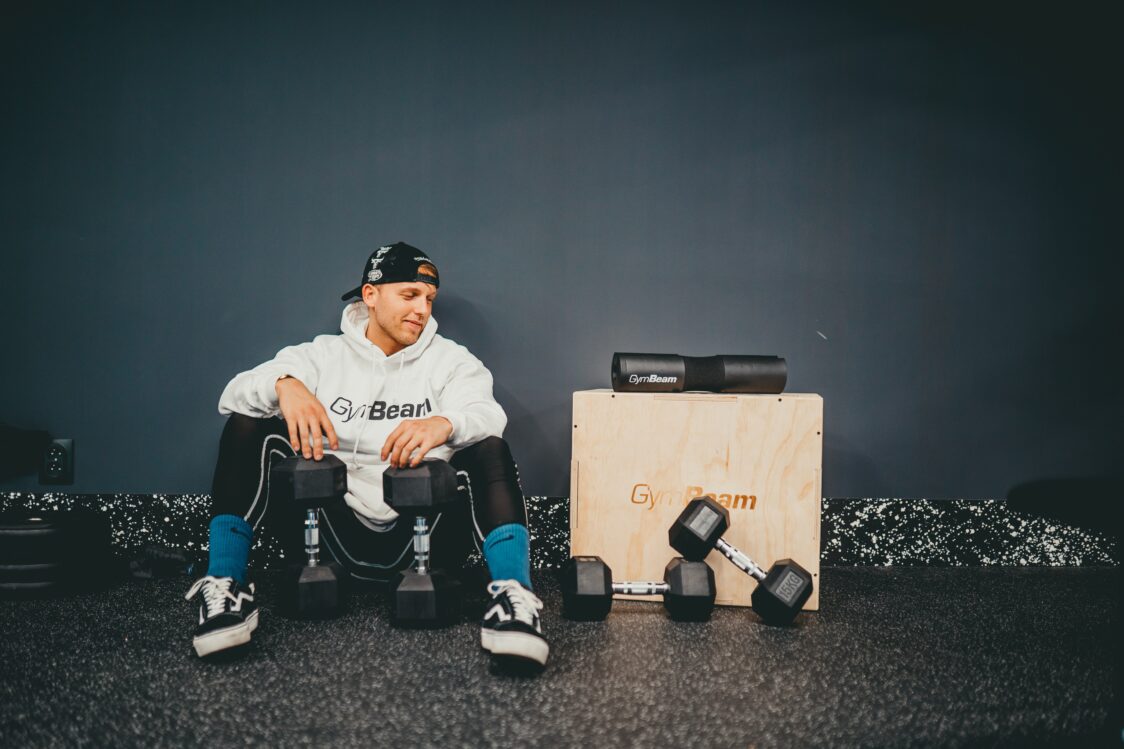
3. U kunt uw training aanpassen aan uw behoeften
U kunt uw training aanpassen aan uw behoeften, fitnessniveau en voorkeuren. Het is volledig aan u en uw doelen om te bepalen welke oefeningen u in uw plan opneemt—of u zich nu uitsluitend richt op krachttraining of elementen van yoga, Pilates of calisthenics integreert.
4. U creëert de perfecte trainingsomgeving
Als uw thuisomgeving het toelaat, kunt u een trainingsruimte creëren die is afgestemd op uw wensen. U hoeft nooit meer te maken te hebben met iemand die de apparatuur in beslag neemt die u nodig heeft, of die muziek afspeelt die totaal niet bij uw smaak past.
Het enige mogelijke obstakel zou kunnen zijn dat een familielid, opzettelijk of onbedoeld, uw streven naar een beter uzelf onderbreekt. [1–2]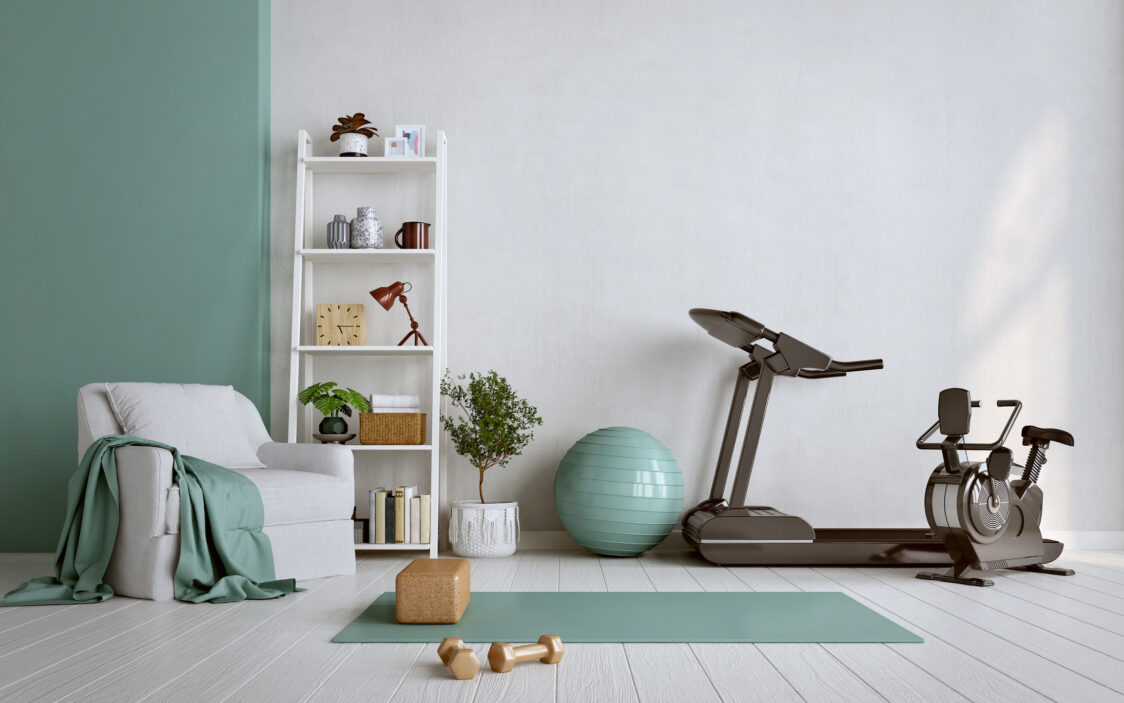
Waarom is het voordelig om een trainingsplan te hebben?
Een trainingsplan is als een routekaart die u op de meest efficiënte manier naar uw doelen leidt. Het laat u de beste weg zien, waardoor u op koers blijft en elke training u dichter bij uw ideale fysiek brengt. Een goed gestructureerd trainingsplan is voordelig voor zowel beginners als gevorderde sporters, en helpt hen om hun vooruitgang voort te zetten.
[2–3]- U creëert een systeem voor uw trainingen: U weet precies wat u moet doen en wanneer, waardoor u de chaos en de verspilde tijd van het uitzoeken welke oefeningen u elke dag moet doen, vermijdt.
- Je traint effectiever: Door je te concentreren op de oefeningen en soorten trainingen die je helpen bij spieropbouw, gewichtsverlies of een betere conditie.
- Je behoudt motivatie en discipline: Het vasthouden aan je plan leidt tot zichtbare resultaten, waardoor je gemotiveerd blijft. Bovendien, als je trainingen van tevoren zijn gepland, is de kans kleiner dat je ze overslaat.
- U voorkomt overbelasting: Een goed gestructureerd trainingsschema vermindert het risico op overbelasting van specifieke spiergroepen en zorgt ervoor dat u voldoende tijd heeft om te herstellen.
Als u ook op zoek bent naar een gids over het maken van een trainingsplan voor de sportschool, bekijk dan het artikel: Hoe ontwerpt u een kwalitatief trainingsplan voor de sportschool?
10 stappen om een thuis trainingsplan te maken
1. Definieer uw doelen
Voordat u begint met het plannen van uw trainingen, neem even de tijd om na te denken over uw doelen. Deze helpen u gemotiveerd te blijven en op de juiste weg. Uw doelen bepalen ook de keuze van oefeningen, het aantal herhalingen en het type training.
Als u wilt afvallen, kan het toevoegen van meer cardio voordelig zijn, terwijl u zich voor spiergroei moet richten op krachttraining. Hoe specifieker uw doelen, hoe beter.Hoe stelt u effectief doelen voor uw trainingen?
- Focus op korte termijn doelen: Bijvoorbeeld, streef ernaar om 2 kg af te vallen in een maand of om drie keer per week te sporten gedurende een maand.
- Houd rekening met je beperkingen: Je doelen moeten realistisch en haalbaar zijn binnen je levensstijl, werk en gezinsverantwoordelijkheden.
- Ze moeten uitdagend zijn: Stel doelen die realistisch zijn, maar ook motiverend.
De SMART-techniek kan je ook helpen bij het definiëren van je doelen.
Voor meer informatie en aanvullende tips, bekijk het artikel: Hoe een doel te stellen en het daadwerkelijk te bereiken
2. Consider the Number and Duration of Your Workouts
Gebruik uw agenda om te bekijken hoeveel tijd u realistisch gezien aan trainingen kunt besteden. Hoewel thuis sporten u waardevolle minuten bespaart op reistijd, vergeet niet dat u toch nog tijd zult besteden aan omkleden en douchen. Het is aan u en uw planning of u ’s ochtends, ’s middags of ’s avonds wilt trainen.
Heeft u er de voorkeur voor om twee keer per week te trainen gedurende 60 minuten, drie keer per week gedurende 45 minuten, of twee kortere trainingen van 15 minuten per dag in te plannen? Het is aan u, maar probeer tijd te maken voor krachttraining minstens twee keer per week, gedurende minimaal 30 minuten. Voeg cardio, wandelingen en andere activiteiten toe op basis van uw voorkeuren. Idealiter streeft u naar 3–5 trainingssessies per week.
Schrijf al je trainingen minstens een week van tevoren in je agenda om je dienovereenkomstig te kunnen plannen. Wees voorbereid op dagelijkse veranderingen, zoals het later moeten blijven werken of een onverwachte reis om essentiële benodigdheden in de stad te kopen. Als dat gebeurt, kun je je training inkorten, verplaatsen naar een andere dag, en het is zelfs acceptabel als je het af en toe mist.

3. Plan je trainingen in voor specifieke dagen
Zodra je hebt bepaald hoe vaak per week en hoe lang je gaat trainen, is het tijd om de specifieke trainingen te kiezen.
- Combine krachttraining en cardio in uw trainingen.
- De balans tussen krachttraining en aerobe activiteit hangt af van uw doelen.
- Krachttraining helpt voornamelijk bij spiergroei, terwijl cardio effectiever is voor gewichtsverlies.
- Houd bij het plannen er rekening mee dat een volledige herstelperiode van een spiergroep doorgaans 24–72 uur duurt.
- Tijdens de planningsfase, zorg ervoor dat de meest intensieve trainingssessie idealiter gepland wordt na een rustdag.
Voorbeeldtrainingen
- Krachttraining: Oefeningen met lichaamsgewicht, halters, kettlebells, powerbags, weerstandsbanden, of met behulp van een pull-up bar of suspensie trainingsset, evenals online workouts via YouTube video’s.
Voorbeeld van een wekelijks trainingsschema, afgestemd op uw doelen
| Maandag | Full-body workout met dumbbells | 30–45 minuten hardlopen | HIIT met een springtouw | ||||||||||||||||||||||||||||||||||||||||||||||
| Dinsdag | Rust | Rust/wandelen | Rust | ||||||||||||||||||||||||||||||||||||||||||||||
| Woensdag | Circuit training voor de buikspieren + stretchen met een foam roller | Full-body workout met weerstandsbanden | Full-body workout met een power bag | ||||||||||||||||||||||||||||||||||||||||||||||
| Donderdag | Rust | Rust | Rust/wandelen | ||||||||||||||||||||||||||||||||||||||||||||||
| Vrijdag | Kettlebell workout voor bilspieren en benen | 20 minuten op de roeimachine + stretchen | 30–45 minuten hardlopen | ||||||||||||||||||||||||||||||||||||||||||||||
| Zaterdag | Upper body workout aan de pull-up bar | Rust | 4. Kies Specifieke Oefeningen
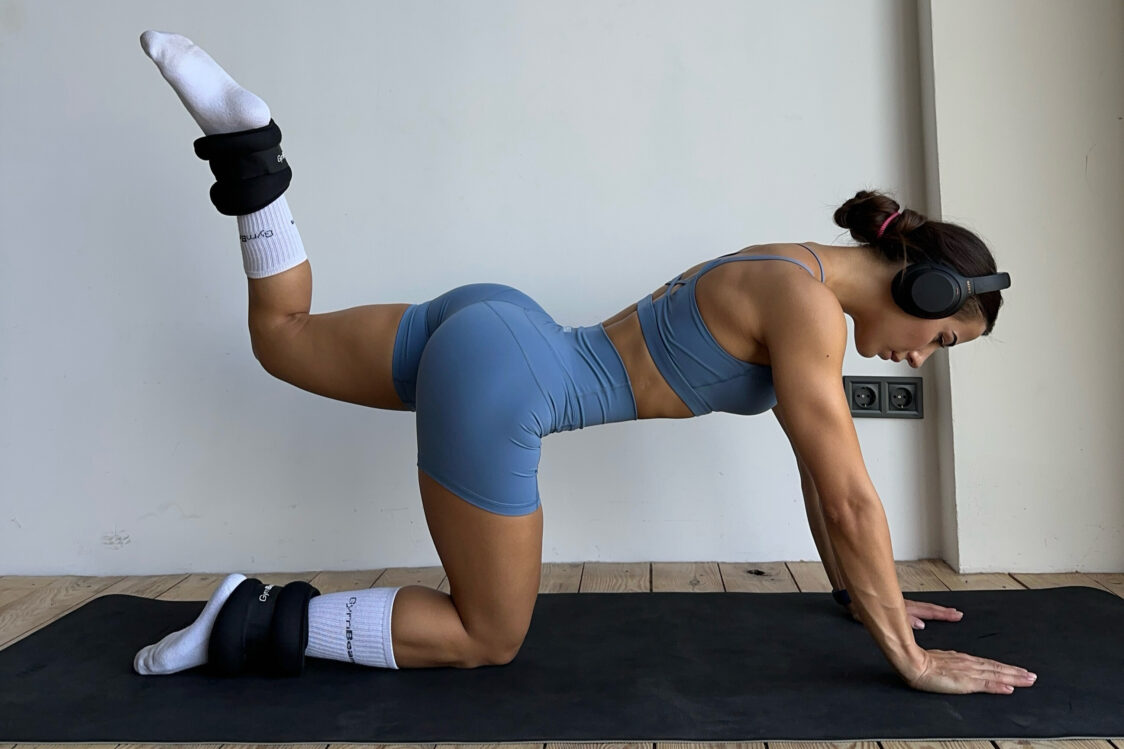
Laten we nu verder gaan naar het kiezen van oefeningen op basis van de apparatuur die u in huis heeft. Sommige mensen hebben een thuisgym met een halter en gewichten, haltersgewichten, weerstandsbanden en kettlebells. Echter, u kunt ook volstaan met alleen uw lichaamsgewicht en een mat. U kunt zelfs buiten trainen, bijvoorbeeld in uw tuin, een park, of een straatwerkpark. [5–6] Bij het kiezen van oefeningen, volg deze regels:
Voorbeeldoefeningen
|





Add a comment